

INSPIRED BY “ALL THE LONELY PEOPLE”
THE CONNECTION HUB
You just watched All the Lonely People, our documentary about people finding their way through loneliness and isolation.
Or maybe you found this page while searching for your own ways to feel more connected.
Either way, welcome!
The “Connection Hub” is where you can find practical ideas, trusted resources, and simple tools to strengthen connection.
It is maintained by The Clowder Group, a team of independent filmmakers who believe that creating a place for people to go- after the show- turns insight into action. Let us know what you think!
30-DAY CONNECTION PROJECT
Imagine receiving one simple WAY TO CONNECT each day
No overwhelming advice.
No marketing or selling your info.
Just one text message each day for a month. Each text offers a tip for reconnecting that day.
Because change starts with small actions.
Connection Checkup
Eight quick questions can offer a snapshot of how connected or disconnected life feels right now. This is not a diagnosis or a grade. It is simply a place to begin.
YOUR CONNECTION SNAPSHOT
Your result
EMOTIONAL CONNECTION
Current picture
This reflects feelings such as emptiness, missing others, or rejection.
SOCIAL CONNECTION
This reflects whether you feel you have people to rely on, feel close to, meaningful contact, and something shared to look forward to.
YOUR CONNECTION OVER TIME
Your first check-in remains your starting point. Each new check-in is compared with both your immediately previous result and your starting point.
This check-in was taken soon after your previous one. Small changes may reflect how you are feeling in the moment. Connection often becomes easier to see when you check in again after some time has passed.
This checkup is educational and is not a medical or mental-health diagnosis. If you are in immediate physical danger, call 911. For suicidal thoughts, emotional distress, or a mental-health crisis in the United States, call or text 988.
Your check-in history is saved only in this browser on this device so you can compare your results when you return. It is not sent to The Clowder Group.
START A NEW CONNECTION JOURNEY?
This will erase the Connection Checkup history saved in this browser. Your next completed check-in will become your new starting point. This cannot be undone.
About this checkup
Six of the prompts are adapted from the six-item De Jong Gierveld Loneliness Scale, a research measure developed to assess emotional and social loneliness. Two additional Connection Hub questions ask about recent meaningful contact and having something social or shared to look forward to.
The Connection Hub uses a five-choice response format and combines all eight questions into a Connection Index from 20 to 100. A higher number indicates stronger current connection. This adapted scoring system is designed to make changes over repeated check-ins easier to see. It is not the original De Jong Gierveld scoring system and is not a separately validated clinical measure.
Because connectedness can change from day to day, this checkup is intended as a personal snapshot rather than a diagnosis, clinical assessment, or grade.
Source for the six core loneliness items: de Jong Gierveld, J., and van Tilburg, T. G. (2006). A 6-Item Scale for Overall, Emotional, and Social Loneliness: Confirmatory Tests on Survey Data. Research on Aging, 28(5), 582–598.
Loneliness Life Hacks
The people featured in All The Lonely People taught us their "Loneliness Life Hacks". Simple things they do to break their isolation. Explore them. Try one. Then find your own. You don't need to change your whole life. One small step can be enough.
Life Hacks Shown in the Film
- Maintain a Positive Outlook
- Reach Out Early
- Accept Where You Are
- Say You Feel Lonely
- Move to a Different Setting
- Care for an Animal
- Step Outside Your Comfort Zone
- Express Gratitude
- Connect With Nature
- Find Like-Minded People
- Perform an Act of Kindness
- Build Three Close Friendships
Find Your Own Loneliness Life Hacks
No two people experience loneliness in exactly the same way. Choose the card(s) that feel most like your life right now and find ideas tailored to your situation.
Loneliness Life Hacks

Stories We Couldn't Fit Into the Film
Choose the area that best matches what you or someone you care about needs right now. Each card opens a short, carefully organized list of trusted starting points.
Crisis & Suicide Prevention
You do not need to be suicidal to reach out. These services support people experiencing emotional distress, loneliness, relationship problems, substance-use concerns, or other difficult moments.
Mental Health Support
Use these tools to locate treatment, learn about mental health, and connect with community-based support.
Abuse, Neglect, Scams & Personal Safety
For immediate danger, call 911. For non-emergency concerns, these services can help with safety planning, reporting, local referrals, and next steps.
Substance Use & Recovery
These national services can help you find treatment and reliable information for alcohol, drug, and recovery concerns.
Older Adults
Start with Eldercare Locator. It connects older adults and families to Area Agencies on Aging and local services for meals, transportation, benefits, caregiving, housing, and more.
Caregiving Support
Caregivers need information, practical help, respite, and support for their own wellbeing.
Disability & Independent Living
Centers for Independent Living are community-based, disability-led organizations that support choice, access, advocacy, and independent living.
Veterans & Military Families
Veterans, service members, and the people who care about them can use these confidential crisis, health, and caregiving resources.
LGBTQ+ Support
These organizations provide affirming support for LGBTQ+ people across different ages and life circumstances.
Children, Teens & Families
Support for young people and the adults who care for them, including crisis help, family guidance, and child-safety resources.
Grief, Loss & Spiritual Care
Grief can follow death, illness, divorce, caregiving, relocation, or another major change. These resources offer education, community, and compassionate support.
Deep Dive
Explore the evidence behind the film, find peer-reviewed research, and learn how to evaluate and cite health information.
Featured Research in the Film
Search Peer-Reviewed Research
Research Organizations & Citation Help
BE A CONNECTOR
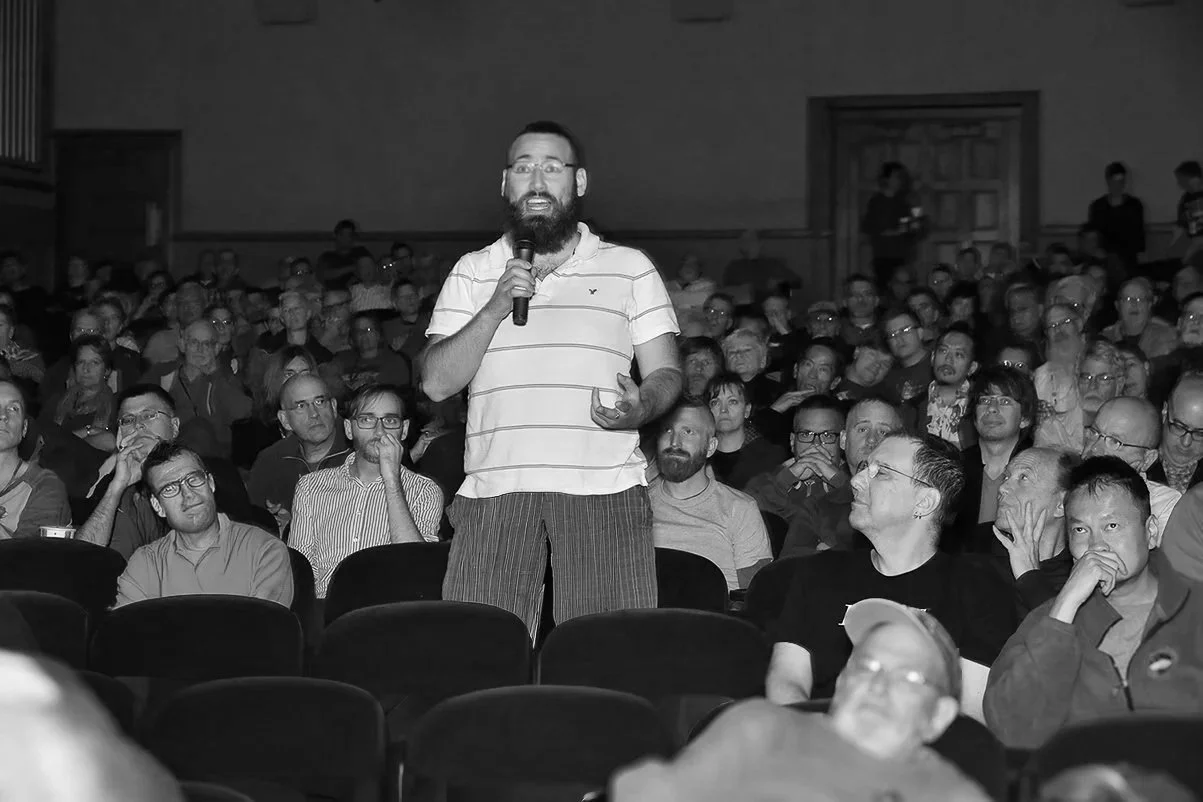
HOST A SCREENING OF “ALL THE LONELY PEOPLE”
Hold your screening at a time that works for you, or connect it to an upcoming airing in your area. Contact The Clowder Group: